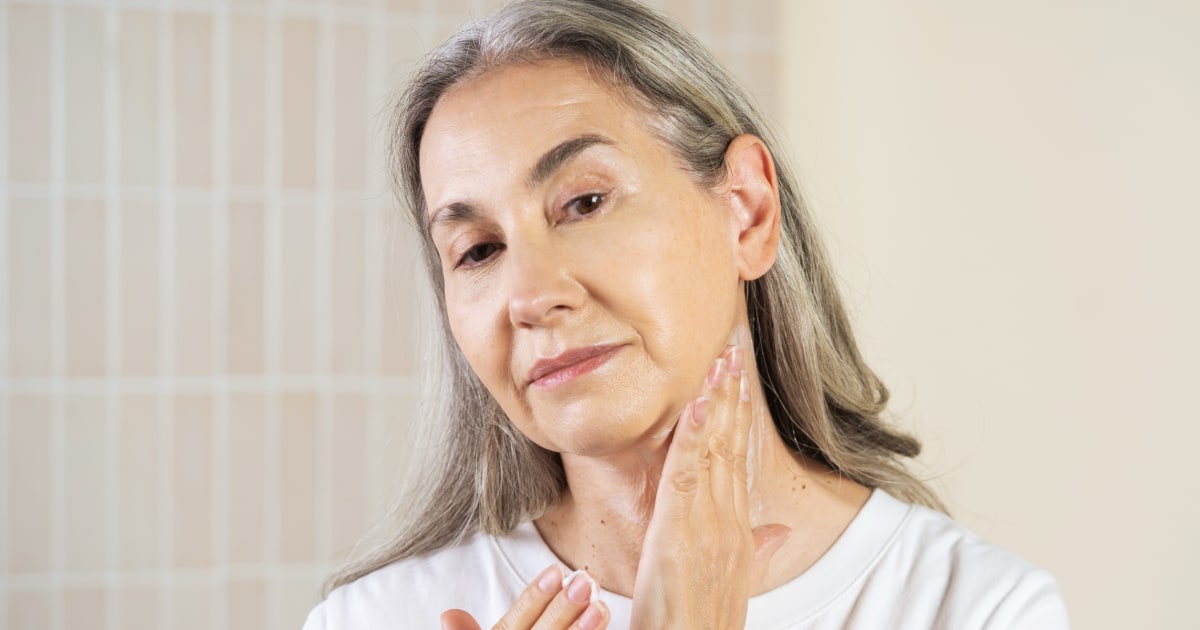
6 game-changing beauty industry trends gaining momentum this year

According to globleEdge, the beauty industry is likely to reach close to $736 billion in global revenue by 2028. This huge growth shows a complete transformation of how we discover, buy, and experience beauty products.
Are you keeping up with the revolutionary changes reshaping your beauty routine? From AI-powered personalization to sustainable biotechnology, this year’s beauty industry trends are redefining cosmetics, fragrances, skincare, personal care, and beauty tech.
In this quick guide, we’ll look at 6 game-changing beauty industry trends that influence your purchasing decisions.
1. The Rise of Beauty Personalization With AI and AR
Your beauty routine is about to get a high-tech makeover. McKinsey research shows that 71% of consumers expect personalized shopping experiences, and the beauty industry is delivering. AI cosmetic innovations are creating extraordinary personalization opportunities.
Prose Hair demonstrates this trend perfectly. They use a 25-question quiz to analyze over 80 factors so that they can create custom hair care formulas.
Pure Culture Beauty offers an at-home skin test to assess your skin. Consumers also answer quizzes about their lifestyle and concerns. You complete a 20-minute test, upload your results to their website, and then purchase personalized skincare products based on your analysis.
More people are turning to AI-powered skin analysisfor personalized beauty care. These tools work by scanning your skin in real-time to detect problems like breakouts, aging signs, or moisture levels. With major brands like Cetaphil, L’Oreal, and Perfect Corp adopting this technology, it’s clear that personalized skincare is becoming the new standard.
Companies like Revieve have created AI/AR-powered interactive modules for skincare, makeup, and nutrition. Beauty giants, including Murad and Ulta Beauty, are partnering with these platforms to offer true-to-life try-on experiences, blurring the line between digital and physical shopping.
2. Consumers Prefer Organic and Natural Ingredients
Sustainable beauty is a movement with numbers to back it up. The Environmental Working Group reports that the average person uses nine personal care products daily, exposing themselves to different ingredients.
This has consumers questioning what they’re putting on their bodies. Ingredients are a major pain point for eco-friendly customers. Fortune Business Insights accounts for 59% of people being influenced by “natural and organic” product labels.
Major brands are taking notice, and here is how:
- Aveda: Known for 100% vegan and cruelty-free hair and skincare products
- OSEA: Known for vegan, gluten-free formulations enriched with seaweed
- True Botanicals: Offers MADE SAFE-certified skincare products made with organic and wildcrafted ingredients
These brands are making it easier to choose products aligned with your values. They demonstrate a strong commitment to clean, natural, and organic beauty for eco-conscious consumers. It gives you control over what you put on your skin and into the environment.
3. Biotech Innovations Are Coming Up
Beauty meets lab science with the rise of cosmetic innovations driven by biotechnology. Traditional ingredient sourcing can harm land and water. Luckily, biotech allows scientists to replicate natural elements in the lab for less environmental impact.
Some cosmetic innovations to watch out for:
- Algenist’s Alguronic Acid: Sourced from algae via biotech methods to help improve skin health
- Evolved By Nature: Uses silk-based peptides as a petroleum-free alternative, keeping products safe
- Oat Cosmetics: Develops high-purity oat peptides via enzymatic biotech processes
- Unilever: Partnered with Geno to produce surfactants as sustainable alternatives to palm oil and fossil fuel-based ingredients
Biotech innovations allow beauty brands to create ingredients sustainably without overharvesting nature. This reduces environmental damage like water overuse and pollution. As a consumer, this means access to effective products based on cutting-edge science and responsible sourcing.
4. The Men’s Beauty Market Is Expanding
Men are buying skincare. As per GCI, over half of men are buying more beauty products now than they did a few years ago. Inclusive beauty products for men focus on:
- Boosting appearance
- Improving skin texture
- Maintaining youthful looks
Men interested in grooming should explore starter kits and brands specializing in male skincare. Brands like Atwater offer simple yet effective men’s skincare solutions. Aside from offering hair trimmers, Manscaped has expanded comprehensive skincare lines featuring vegan ingredients.
Additionally, Bulldog Skincare offers facial cleansers, moisturizers, and shaving products that are cruelty-free and made with plant-based ingredients.
Your favorite beauty products are now just one tap away. Beauty products rank as the second most popular social media purchase category, behind only clothing. TikTok leads this revolution with remarkable engagement rates.
Social media is reshaping how you discover, trust, and buy beauty products. Platforms like TikTok and Instagram offer real-time reviews, tutorials, and communities that influence buying decisions in powerful ways.
The rise of social commerce means you can shop seamlessly for beauty products while enjoying authentic content. This makes the buying process fun and interactive.
If you own a beauty brand, use this chance to connect directly with customers and create loyal followers. You can also partner with a beauty marketing agency helping brands grow online. It’ll ensure you tap into your socials effectively and authentically.
As a consumer, follow beauty influencers and brands that provide honest, creative content. Also, engage with communities that share your beauty values and interests.
6. The Need for More Inclusion and Diversity
Beauty is universal, yet representation isn’t enough. Mintel’s latest research shows that about 17% of American consumers feel left out of beauty advertisements. The demand for inclusive beauty products creates social awareness that all voices and appearances deserve celebration.
Lack of diversity in ads and product shades excludes many consumers, especially people of color. Beauty wellness convergence includes addressing these disparities. Here is how beauty brands do it:
- Ami Cole specifically serves consumers with melanin-rich skin
- Guide Beauty: Developed adaptive makeup tools for people with disabilities
- Fenty Beauty sets the diversity standard with 50 foundation and concealer shades
- Black Girl Sunscreen: Formulated to protect melanin-rich skin without leaving a white cast
Brands embracing inclusion increase loyalty. They also create stronger, genuine connections with their communities, reshaping the industry’s future.
Embrace the Future of Beauty Industry Trends
The beauty industry trends keep changing. These six trends represent changes that are reshaping consumer expectations and industry standards. If you own a beauty brand, you need to leverage these trends and implement strategies that appeal to your target consumer.
Ready to capitalize on more information about the beauty industry? Subscribe to our newsletter for more beauty insights.

This content is brought to you by the FingerLakes1.com Team. Support our mission by visiting www.patreon.com/fl1 or learn how you send us your local content here.
link