How hypertension during pregnancy impacts a woman’s long-term cardiovascular health
Nature’s cardiometabolic stress test
The mechanisms behind this increased risk are still being studied. Some women may enter pregnancy with subtle or mild cardiovascular risk factors such as slightly elevated blood pressure, but this often goes unnoticed in young patients and is not felt to be a big concern. During pregnancy, those small differences can signal a higher risk of preeclampsia and future cardiovascular events.
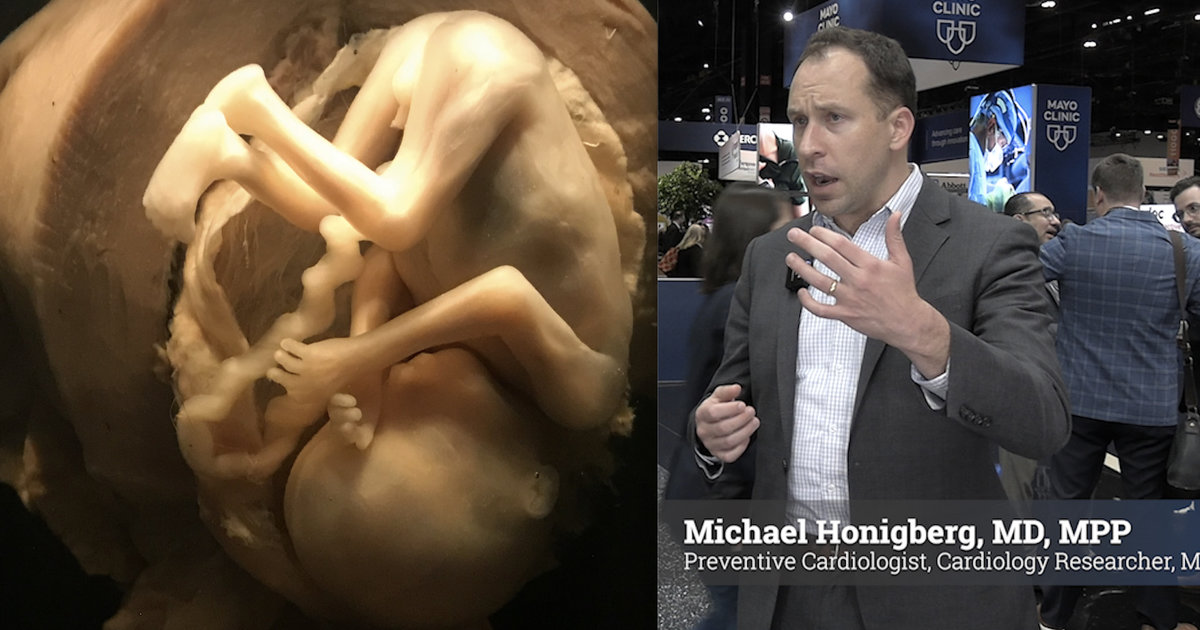
“We sometimes call it … nature’s cardiometabolic stress test,” Honigberg said. “And when a woman has preeclampsia or gestational hypertension, in a way she has failed her stress test in that it reflects this increased long-term risk.”
Another key driver of long-term risk is the accelerated development of chronic hypertension after pregnancy. While blood pressure may normalize in the immediate postpartum period, many of these women go on to develop sustained hypertension earlier in life. That progression, Honigberg said, accounts for “somewhere between half to two-thirds of the excess risk of long-term complications in this population.”
The challenge is that hypertension in young adults is often overlooked or undertreated. Clinicians may assume youth confers protection against near-term events and defer aggressive management. But preventing or delaying the onset of cardiometabolic risk factors of hypertension, obesity and type 2 diabetes can pay substantial dividends over decades, Honigberg explained.
Counseling pregnant women on cardiac risk factors without causing alarm
Honigberg believes patients should be informed about their long-term risk, though counseling must be individualized.
“We always share these long-term disease associations, but I also stress that this is not destiny. These are things that we can manage and we can prevent this,” he said.
Looking at things from the patient’s prospective is also very import. He said the early postpartum period with a newborn and the patient’s schedule turned upside down is often too chaotic for them to begin major lifestyle interventions. Instead, he suggests revisiting the conversation later when patients are better positioned to engage in preventive care. Educating primary care clinicians is also essential, as not every woman with hypertensive pregnancy complications can or should see a cardiologist.
The postpartum window of opportunity for cardiac prevention
Emerging research suggests that the early postpartum period may represent a critical window for long-term cardiovascular health. Honigberg pointed to findings from the POP-HT trial, a single-center trial conducted at University of Oxford. It showed tighter blood pressure control during the first six weeks postpartum, guided by physician oversight and remote monitoring, was associated with lower blood pressure and more favorable cardiac remodeling at nine months.
Although participants were treated with medication for only about six weeks on average, the benefits appeared durable. The findings raise the possibility that early intervention could reduce the long-term risk of conditions such as heart failure with preserved ejection fraction.
“If we affirm that’s true, we need to get really freaking smart about what to do during that critical window of postpartum cardiovascular adaptation,” Honigberg said.
He said additional, larger studies need to be done, but this has the potential to change postpartum preventive cardiac care and have a large impact of reducing future cardiac events in women.
A growing role for cardio-obstetrics
These developments may expand the role of cardio-obstetrics programs, which traditionally focus on women with congenital or established heart disease entering pregnancy. Increasingly, such teams are also managing severe peripartum hypertension and postpartum cardiovascular transitions. Ultimately, Honigberg said the goal is prevention.
As research advances, the field is moving beyond just identifying epidemiologic associations and toward implementing systems to promote long-term cardiovascular protection. He said this might include postpartum transitional clinics, electronic health record alerts or collaborative care models with more focus on earlier handoffs to cardiology.
link


/sexual-and-reproductive-health-and-research-(srh)/hrp-secretariat-(srt)/dsc08768.tmb-1200v.jpg?sfvrsn=1c992c78_1 "Conflict and instability make pregnancy more dangerous")