11 Selenium-Rich Foods, According to Dietitians
Selenium is a trace mineral that our bodies need to maintain good health. It’s found naturally in soil and many foods. Consuming selenium helps with thyroid function, immune health, and defends our bodies from stress and chronic diseases.
In the ABCs of micronutrients, this mineral is often overlooked. “Selenium may not get as much attention as other vitamins and minerals, but it plays an important role in the body,” Vanessa King, registered dietitian and spokesperson for the Academy of Nutrition and Dietetics, tells TODAY.com.
Selenium acts as a powerful antioxidant in the body. It’s a key component of special proteins that help the body make enzymes that play an important role in thyroid metabolism, immune function, and DNA synthesis, per the National Institutes of Health Office of Dietary Supplements.
“It supports healthy cell growth, keeps your thyroid working properly and gives your immune system a boost,” says King. It also plays a role in reproductive health and cognitive function, according to dietitian and TODAY.com nutrition editor Natalie Rizzo.
One of selenium’s most important roles is defending the body from oxidative stress. “Selenium helps to protect cells from damage that can raise the risk for heart disease, cancer and other health issues,’ says King.
Selenium is an essential mineral, which means our body needs it to function, but can’t make or synthesize its own. “Therefore, we have to get it from our diet,” says King.
It’s found naturally in a variety of foods and added to some food products. It’s also commonly included in multivitamins. How much do you need?
Selenium Recommended Daily Limits
Since it’s a trace mineral, we only need a small amount of selenium to stay healthy, says Rizzo.
The recommended daily allowance (RDA) for selenium varies depending on age and health. Here’s how much (in micrograms) you need per day, per the NIH:
- Pregnant women: 60 mcg
- Lactating women: 70 mcg
Most adults in the U.S. get enough selenium from their diets, per the NIH. Deficiencies are uncommon, but can be serious.
A mild deficiency may impair thyroid function, weaken immune defenses or contribute to fatigue, says Rizzo. Rarely, severe deficiencies can trigger Keshan disease, a heart muscle disorder, or Kashin-Beck disease, which affects the bones, Rizzo adds.
Groups at higher risk of deficiencies include people who live in regions where the selenium levels in soil are low, people with HIV and people receiving dialysis, per the NIH.
“On the other hand, getting too much selenium can also be harmful,” says Rizzo. The tolerable upper intake level for selenium for adults is 400 micrograms per day.
“Consistently exceeding that amount can cause a condition called selenosis,” says Rizzo. Symptoms include a garlic-like breath, hair loss, brittle nails, rashes, digestive upset and nervous system problems.
Selenium toxicity is often the result of taking supplements, but it can happen if you eat excessive amounts of certain selenium-rich foods, such as nuts.
Selenium-Rich Foods
“Selenium needs can be met from food alone,” says King.
Foods naturally rich in selenium include meat, seafood, poultry, nuts, and some vegetables and grains. “The levels in plant foods vary widely depending on the soil they’re grown in,” says King.
If you’re looking to up your selenium intake, consider eating more of these foods rich in the mineral, according to dietitians.
Brazil Nuts
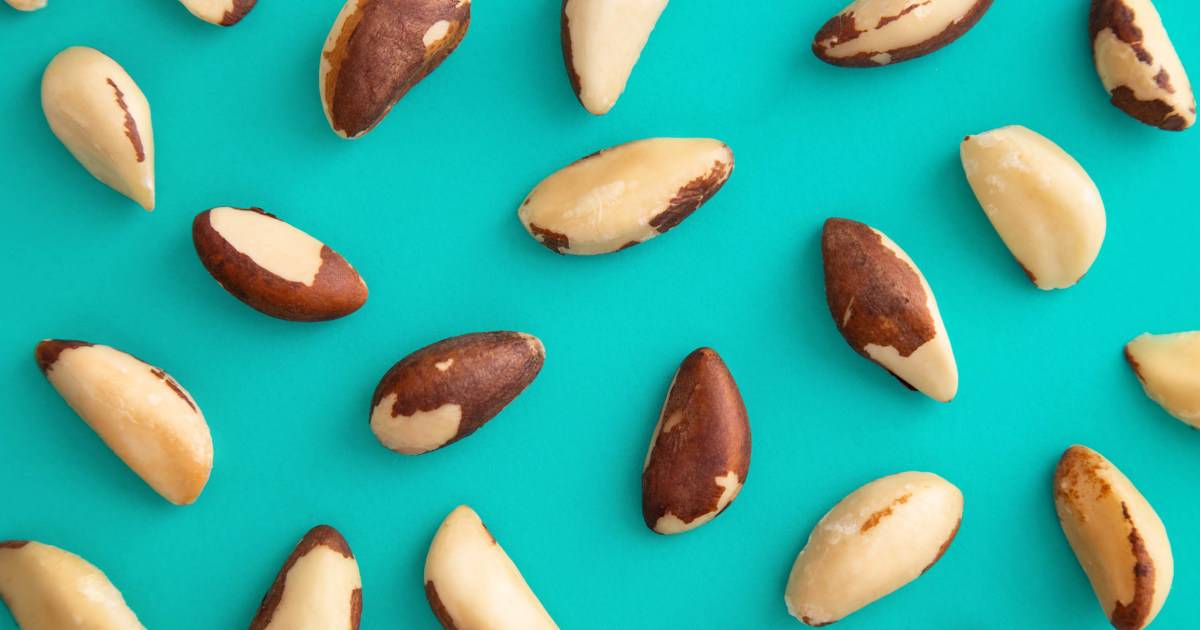
Brazil nuts are a selenium superstar. Just two nuts provide 190 mcg of selenium, a whopping 345% of the daily value, says Rizzo.
Brazil nuts are also a good source of heart-healthy unsaturated fats and other micronutrients, including magnesium, which helps with energy, blood sugar, and keeps our nerves and muscles working properly, TODAY.com reported previously. Plus, they provide some iron, copper and manganese.
However, it’s important to eat no more than about three to five Brazil nuts per day, maximum. Eating an excessive amount can lead to selenium toxicity, Rizzo notes.
Tuna
Tuna is one of the healthiest seafoods you can eat, thanks to its impressive macronutrient and micronutrient profile.
One serving (about 4 ounces) of canned light tuna provides about 80 mcg selenium, which is about 150% of the daily value.
In addition to selenium, tuna is known for being an incredibly high-protein fish — packing around 25 to 30 grams per serving — and it’s also rich in vitamin B12 and B6, which are important for nerve cell function and energy metabolism.
Oysters
Love them or hate them, oysters are packed with nutrients.
A half-dozen raw oysters provides about 50 mcg of selenium, which is nearly 100% of the daily value.
Oysters are also one of the best food sources of immune-boosting zinc, packing nearly three times your daily value in a serving, TODAY.com reported previously. They’re also rich in vitamin B12, iron and copper.
Sardines
Sardines are an affordable pantry staple with many health benefits.
One serving (3.75 ounces) of canned sardines packed in oil, drained, provides 48 mcg of selenium, or 85% of the daily value.
In addition to selenium, sardines are packed with protein and essential omega-3 fatty acids, which support heart and brain health. These small oily fish are also rich in calcium and vitamin D, which support strong bones.
Shrimp
Shrimp are a versatile seafood that pack a surprising amount of nutrients for being so low in calories.
Three ounces of cooked shrimp provides 42 mcg of selenium, or 75% of the daily value. They’re packed with lean protein and other micronutrients like iodine, which also supports thyroid function, vitamin B12, phosphorus the antioxidant astaxanthin.
Pork Chops
Pork is naturally rich in many nutrients, including selenium.
One serving (3 ounces) of bone-in, center loin pork chops has about 38 mcg of selenium, over 65% of the daily value.
Pork chops are also packed with high-quality protein for muscle growth and repair, as well as vitamin B7 (biotin), vitamin B1 (thiamin), iron and coenzyme Q10. Plus, pork is one of the few foods naturally rich in creatine, which provides energy and may boost athletic performance, TODAY.com reported previously.
Portabella Mushrooms
Delicious in stir dry or in place of a burger, portabella mushrooms are one of the few vegetables rich in selenium, according to King.
One cup of grilled portabella mushrooms provides 26 mcg, or almost 50% of the daily value. These fungi are also a good source of gut-healthy fiber, B vitamins, copper and potassium. Plus, they contain antioxidants that may fight inflammation.
Turkey
This thanksgiving staple is another great option to up your intake of selenium. Three ounces of boneless turkey breast packs 26 mcg, which is 47% of the daily value, says King.
Eggs
Eggs are one of the most popular breakfast foods for good reason. These small but mighty nutrient powerhouses are loaded with essential vitamins and minerals.
One large hard-boiled egg provides 15 mcg of selenium, 27% of the daily value, says King.
Eggs are an egg-cellent source of protein, vitamin D, essential B vitamins, iron and phosphorus, per Rizzo. The yolks are packed with antioxidants and choline, which protects liver and nervous system function, and healthy brain development in children.
Cottage Cheese
Another breakfast staple, cottage cheese is versatile and full of nutrients.
One cup of 1% milkfat cottage cheese contains 20 mcg, or 36% of the daily value. Cottage cheese is known for being high in protein, packing more than 12 grams in one serving. It’s also a good source of calcium, which supports healthy bones, as well as B vitamins.
Brown Rice
Certain whole grains, like brown rice, are also good sources of selenium.
One cup of long-grain brown rice delivers 12 mcg of selenium, or 22% of the daily value, says King.
Brown rice is a hearty grain that’s rich in dietary fiber and protein, which helps regulate blood sugar and keeps you feeling full. It’s also a good source of manganese, an essential mineral, B vitamins and calcium.
link