5 Beauty And Wellness Habits For Glowing Skin

By Arissa Ha – published
The start of a new year tends to bring a new wave of beauty resolutions. Better sleep, healthier skin and a whole slew of expensive skincare products to add to your routine. What actually works, though, are habits that fit into your everyday life. These five beauty and wellness practices focus on what delivers visible results over time, so you can achieve beautiful, glowing skin this year.
Related article: 14 Best Korean Toners Beauty Editors Recommend For Hydration And Glow
1. Treat Sleep as an Essential Part of Your Skincare Routine

Photo: Drazen Zigic / Getty Images
Skin repair peaks during sleep. Collagen production, barrier recovery and inflammation control all happen most efficiently overnight. Irregular sleep patterns disrupt these processes, often showing up as dehydration, dullness, slower healing and increased sensitivity.
Sleep also influences hormones that regulate oil production and inflammation. Chronic sleep debt can exacerbate breakouts and compromise the skin barrier, making it harder for even the best products to work effectively.
One thing you can do
Anchor your sleep schedule with consistent bed and wake times, even on weekends. Regularity matters more than perfection. Reducing screen exposure in the hour before bed also supports melatonin production, helping the body transition more easily into rest mode.
What to invest in
Blackout curtains or a sleep mask can significantly improve sleep quality by minimising light disruption. A supportive pillow that keeps the neck aligned also reduces tension, which can contribute to jaw clenching and facial strain overnight.
Original Pillow, $399, Tempur at LazMall
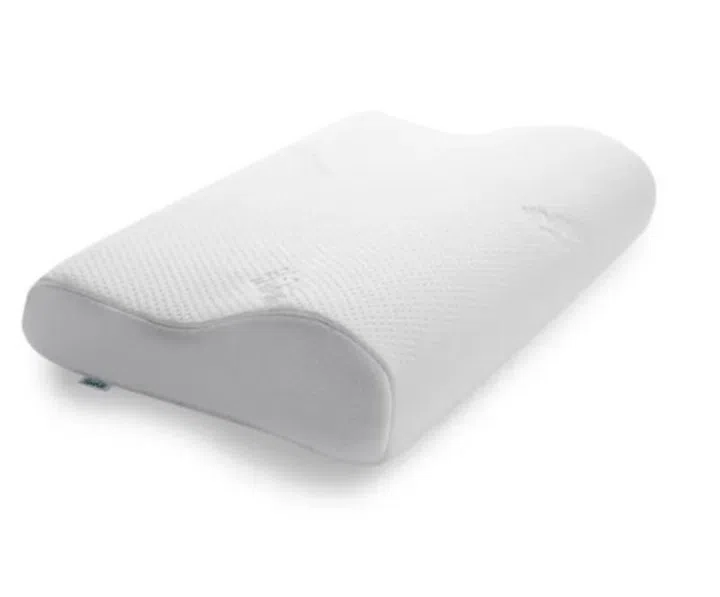
Photo: Courtesy of LazMall
Related article: Can You Sleep Your Way To Beautiful Skin?
2. Protect and Maintain Your Skin Barrier Before Chasing Results

Photo: narith_2527 / Getty Images
Skinimalism did not emerge as a rejection of skincare, but as a response to excess. Years of layering actives, chasing instant results and experimenting without adequate recovery time have left many people with compromised skin barriers. Tightness, redness, sudden sensitivity and products that sting on contact are no longer edge cases. They are common signs of barrier damage.
The skin barrier functions as the body’s first line of defence. When it is intact, it regulates moisture loss, keeps irritants out and maintains a stable environment for skin cells to function properly. When it is impaired, water escapes more easily, inflammation increases and the skin becomes reactive and unpredictable. In this state, even well-formulated treatments struggle to perform.
Restoring the barrier allows the skin to return to equilibrium. It becomes more resilient, less reactive and better able to tolerate actives in the future. In climates marked by humidity, pollution or constant air-conditioning, this foundational strength matters even more.
One thing you can do
Adopt skinimalism with intention rather than minimalism for its own sake. Strip your routine back to the essentials and give your skin time to recover. That means gentle cleansing, consistent moisturisation and a deliberate pause on exfoliating acids, retinoids and strong actives until the skin stabilises.
Pay attention to feedback rather than pushing through discomfort. Skin that stings, flushes easily or fluctuates unpredictably is often asking for restraint, not intervention. Barrier repair is not about doing less forever. It is about resetting before doing more.
What to invest in
Barrier-supporting products prioritise lipids that mimic the skin’s natural composition, particularly ceramides, fatty acids and cholesterol. A moisturiser that focuses on replenishment rather than stimulation is key during this phase.
Options such as CeraVe Moisturising Cream or La Roche-Posay Toleriane Sensitive Fluide are designed to reinforce the barrier without overwhelming it. For those seeking a more elevated formulation, Augustinus Bader The Rich Cream supports barrier function while encouraging recovery in skin that has been pushed too far.
Cleansing matters just as much. A gentle, non-foaming cleanser reduces unnecessary stripping and preserves the lipids the skin relies on. Cream or lotion cleansers are particularly well-suited during a repair phase, especially if cleansing twice daily feels drying.
The Rich Cream, $440, Augustinus Bader at Sephora
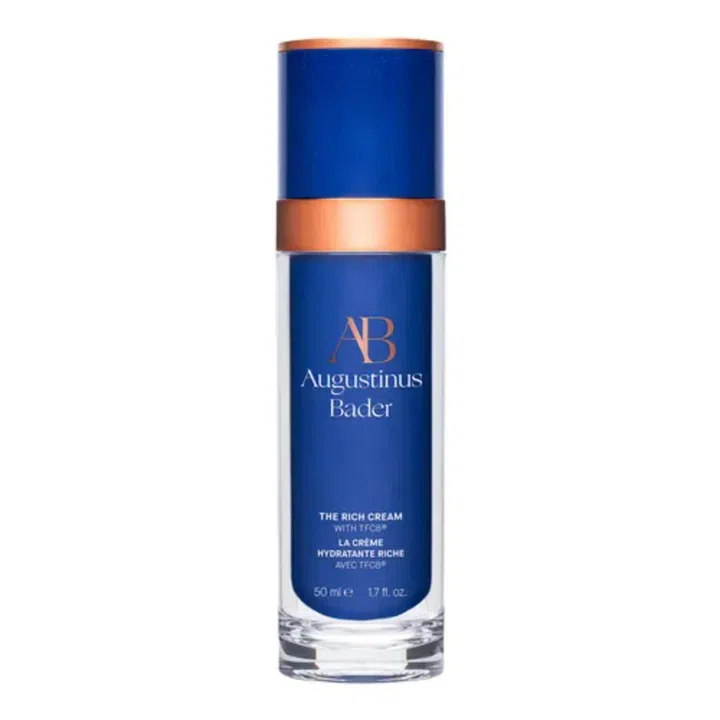
Photo: Courtesy of Augustinus Bader
Toleriane Sensitive Fluide Protective Moisturizer, $45.30, La-Roche Posay at Watsons
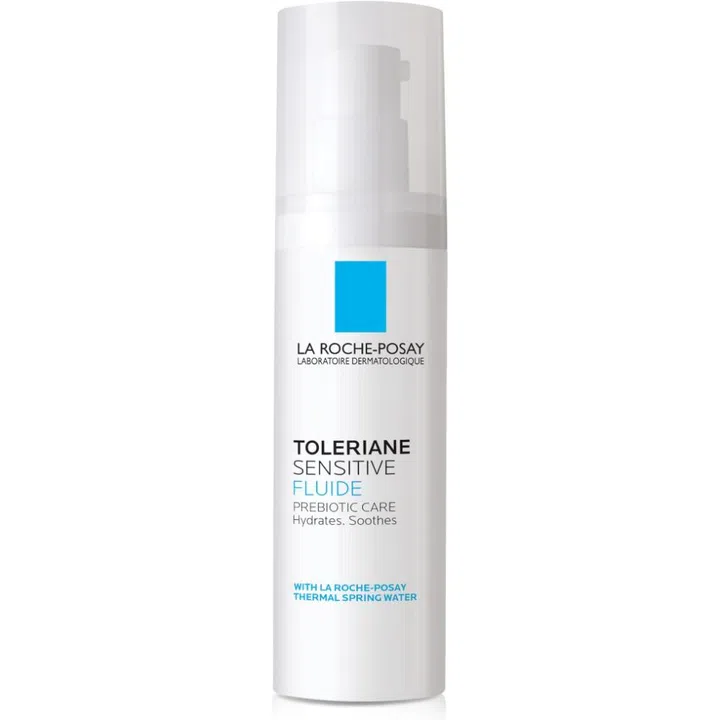
Photo: Courtesy of Watsons
Gentle Cleansing Foam, $58, Sulwhasoo at LazMall
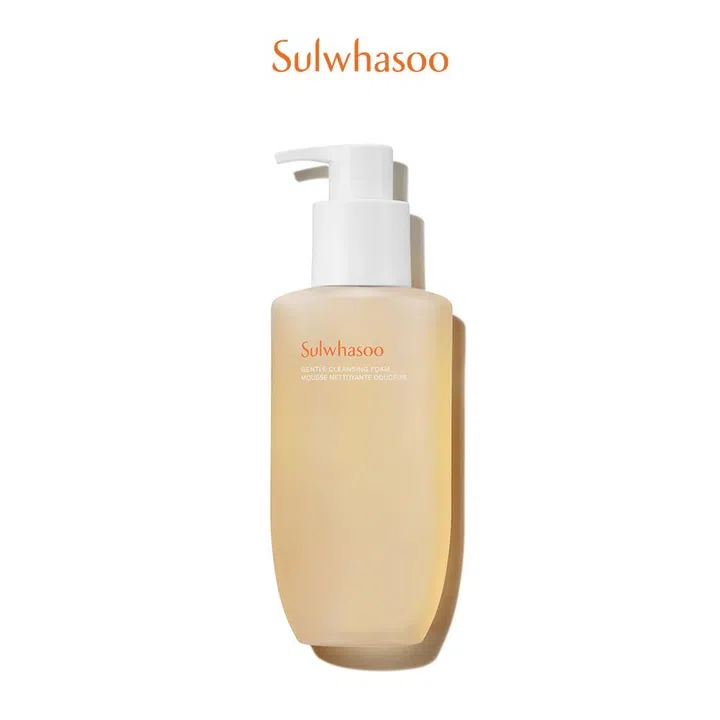
Photo: Courtesy of Sulwhasoo
Related article: The Best Korean Moisturisers For Sensitive Skin That Calm, Hydrate, And Heal
4. Eat in a Way That Supports Gut Balance and Stable Blood Sugar

Photo: Kseniya Ovchinnikova / Getty Images
The skin is often one of the first places internal imbalance shows up. Repeated blood sugar spikes can drive inflammation and stimulate excess oil production, while gut dysbiosis has been linked to breakouts, redness and increased sensitivity. When glucose levels rise and fall sharply, stress hormones tend to follow, creating conditions the skin struggles to regulate.
A diet that supports steady glucose absorption and a diverse microbiome helps calm this internal volatility. Over time, this steadiness translates into fewer inflammatory flare-ups, more consistent skin behaviour and better tolerance to skincare products.
One thing you can do
Build meals around protein and fibre before thinking about carbohydrates. Starting with eggs, Greek yoghurt or tofu at breakfast, adding lentils, chickpeas or fish such as salmon at lunch, and anchoring dinner with chicken, tempeh or beans helps slow digestion and regulate glucose absorption. Fibre-rich foods like oats, chia seeds, berries, leafy greens and vegetables such as broccoli or carrots further support blood sugar balance and gut health.
What to invest in
When looking at fibre supplements, prioritise ingredients that nourish beneficial gut bacteria rather than simply increasing bulk. Psyllium husk supports digestion and blood sugar regulation, while inulin and acacia fibre act as prebiotics that feed existing bacteria and are generally well tolerated.
For probiotics, ingredient lists matter more than marketing claims. Strains such as Lactobacillus rhamnosus and Lactobacillus acidophilus are commonly associated with digestive and immune support, while Bifidobacterium lactis and Bifidobacterium longum have been studied for their role in reducing inflammation and improving gut comfort. Products that combine multiple strains with a prebiotic fibre help create a more supportive environment for the microbiome to function effectively.
Supporting gut balance and stable blood sugar is less about dietary perfection and more about reducing internal stressors that quietly influence how the skin behaves day to day.
Fermented foods also play a role. Yoghurt with live cultures, kefir, kimchi, sauerkraut and miso introduce beneficial bacteria that support digestion when eaten regularly. Even simple pairings matter. Eating fruit alongside yoghurt or combining carbohydrates with protein and fats helps slow glucose release and reduces inflammatory stress that can show up on the skin.
Lactobacillus Rhamnosus GG, $34.48, Supersmart at Amazon
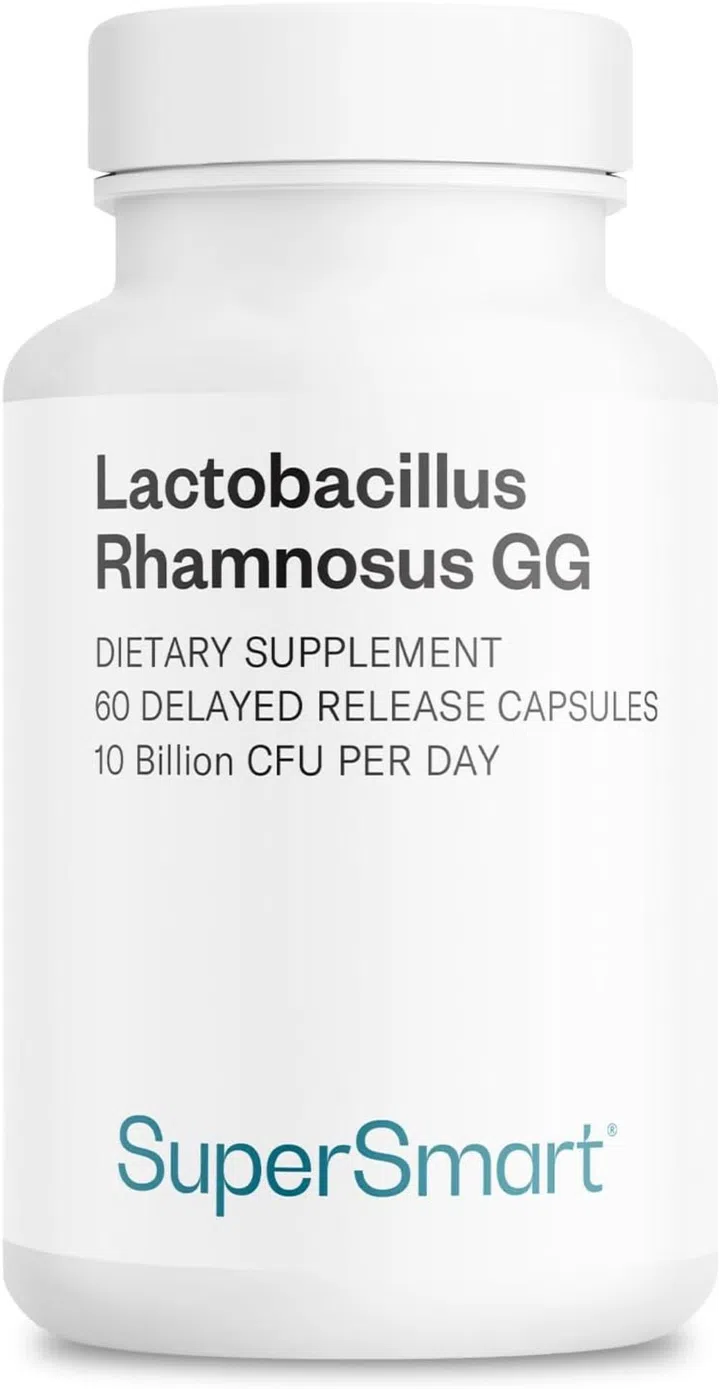
Photo: Courtesy of Amazon
Ultibiotic Daily Digestive Probiotic, $45.20, Swisse at Amazon
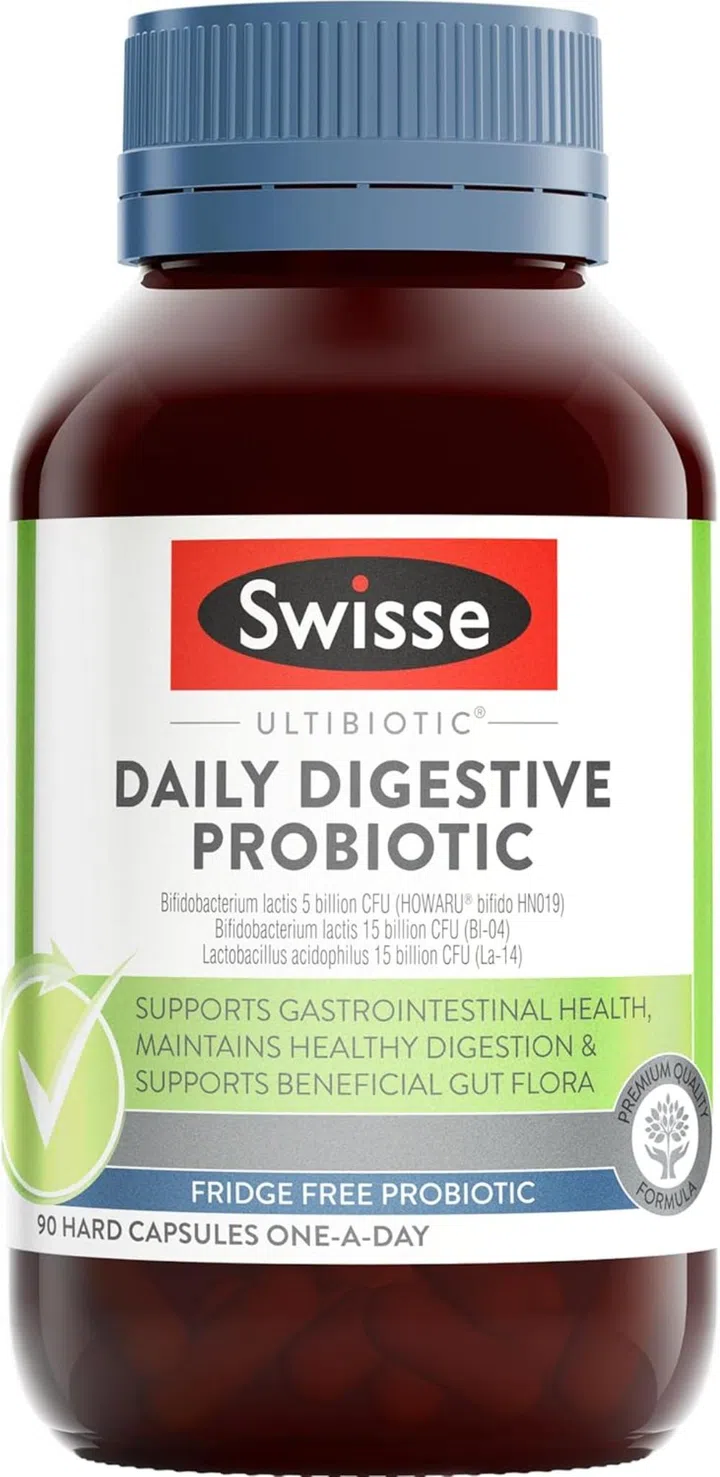
Photo: Courtesy of Amazon
4. Defend Your Skin Against Extrinsic Ageing, Not Just Time

Photo: Oscar Wong / Getty Images
Ageing is driven by two parallel processes. Intrinsic ageing refers to the natural, genetically programmed changes that occur over time. Collagen production slows, cell turnover becomes less efficient and skin gradually loses elasticity. This process is inevitable and largely influenced by biology.
Extrinsic ageing, however, is driven by external exposure. Ultraviolet radiation, pollution, visible light and environmental aggressors accelerate collagen breakdown, trigger pigmentation and increase chronic inflammation. Unlike intrinsic ageing, this process is largely preventable. A significant portion of visible skin ageing has been attributed to cumulative sun exposure and environmental damage rather than time alone.
Understanding the difference matters. While intrinsic ageing cannot be stopped, extrinsic ageing can be significantly slowed. Daily protection reduces oxidative stress, allowing the skin maintain structural integrity for longer.
One Thing You Can Do
Apply broad-spectrum sunscreen every morning as the final step in your skincare routine, regardless of whether you plan to be outdoors. UVA rays penetrate glass and remain consistent throughout the year, contributing to long-term collagen degradation and pigmentation even on cloudy days or indoors.
Equally important is cleansing thoroughly at night. Removing sunscreen, pollutants and particulate matter prevents these aggressors from lingering on the skin and interfering with overnight repair processes. Consistency, rather than intensity, is what reduces cumulative damage over time.
What to Invest in
A broad-spectrum sunscreen with at least SPF 30 forms the foundation of extrinsic ageing defence. Formulas containing antioxidants such as vitamin E, niacinamide or green tea extract offer added support by helping neutralise free radicals generated by UV exposure and pollution.
In urban environments, a gentle cleanser that effectively removes sunscreen and pollutants without stripping the skin helps maintain barrier integrity. Micellar waters or low-foaming cleansers are particularly useful for this purpose, ensuring skin is clean without compromising its natural defences.
Understanding intrinsic versus extrinsic ageing reframes protection as preservation rather than correction. Reducing daily exposure allows the skin to age at its natural pace, rather than being pushed into premature decline by factors within our control.
Water Bank UV Barrier Sunscreen SPF 50+ PA++++, $42, Laneige at Sephora
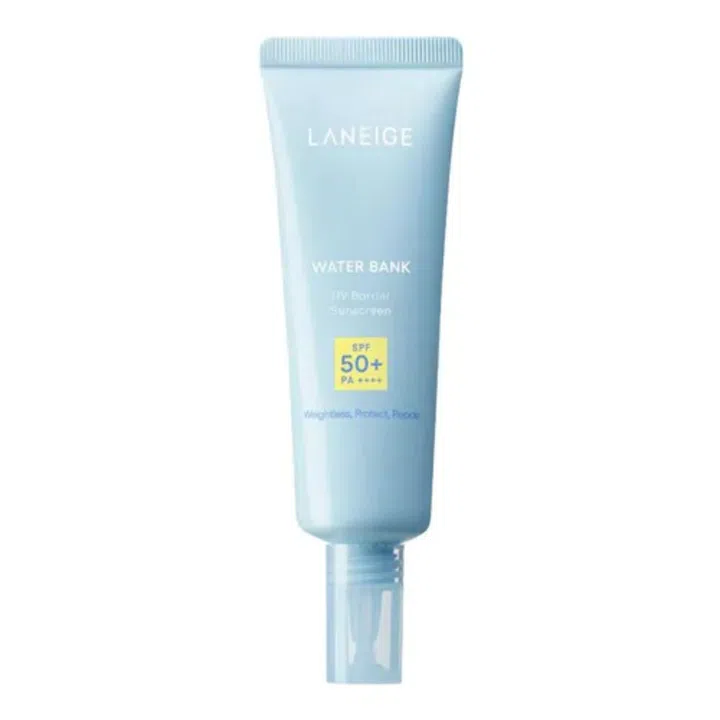
Photo: Courtesy of Laniege
Perfect Sun Protector Hydro Gel Cream SPF 50+ PA++++, $70, Shiseido at Sephora
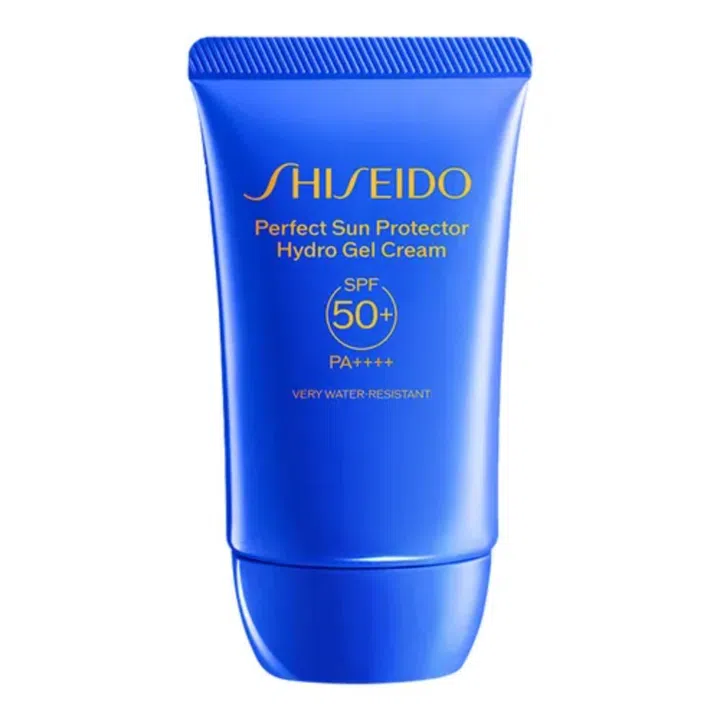
Photo: Courtesy of Shiseido
The One SPF 50 Invisible Sunscreen Gel, $60, Allies of Skin at Sephora
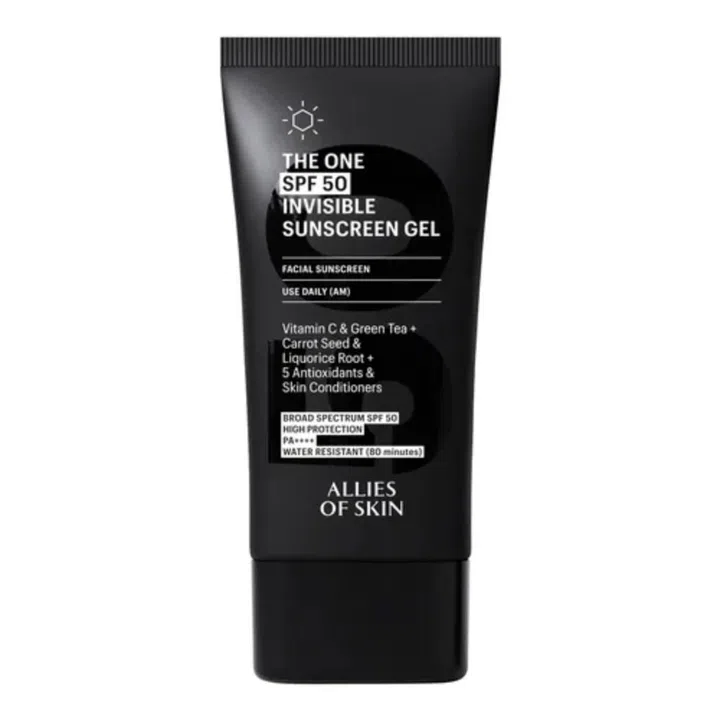
Photo: Courtesy of Allies of Skin
Related article: 9 Best Japanese Sunscreens For Every Skin Type And Budget
5. Move Regularly and Make It Easy to Show Up

Photo: Courtesy of Apple
Why it matters
Skin responds to how efficiently the body circulates, recovers and regulates itself. Regular movement increases blood flow, delivering oxygen and nutrients to skin cells while supporting lymphatic drainage, which helps reduce puffiness and congestion. It also plays a role in hormonal balance, influencing breakouts and inflammatory responses.
Movement has knock-on effects too. It supports sleep quality and helps moderate stress hormones such as cortisol, which has been linked to flare-ups, dullness and slower healing. The skin does not need extreme workouts to benefit. It needs frequency.
One thing you can do
Commit to short, repeatable sessions rather than waiting for long workouts. Ten to 20 minutes of movement a day, whether that is Pilates, yoga, strength or stretching, is enough to support circulation and recovery when done consistently.
Using a guided platform like Apple Fitness+ lowers the barrier to entry. With a wide range of session lengths and workout styles, it becomes easier to move on busy days without decision fatigue. When movement fits naturally into your schedule, it becomes part of your routine rather than another task to negotiate.
What to invest in
An Apple Watch for activity tracking helps build awareness without turning exercise into a numbers game. At home, a non-slip yoga mat and light dumbbells are sufficient to support strength, mobility and recovery without cluttering your space.
Apple Watch Series 11, from $599, Apple

Photo: Courtesy of Apple
This article contains products independently selected by our team of editors and writers. If you buy something through our retail links, we may earn an affiliate commission. All prices listed are accurate at the time of publishing.
link