Influencer Quenlin Blackwell Uses Breast Milk for ‘Baths and Face Masks’ (Exclusive)
:max_bytes(150000):strip_icc():focal(672x292:674x294)/Quenlin-Blackwell-061725-e46bdba53a6b4caeadc6045e8677af52.jpg "Influencer Quenlin Blackwell Uses Breast Milk for ‘Baths and Face Masks’ (Exclusive)")
NEED TO KNOW
- Model and influencer Quenlin Blackwell revealed that she uses breast milk from her sister as part of her skincare routine
- Board-certified dermatologist Dr. Naana Boakye explains to PEOPLE that using breast milk might be harmful for some skin types
- Dr. Boakye also shares that there are positives of using breast milk, as well as similar alternatives
Quenlin Blackwell is no stranger to drawing attention online, but her recent beauty comments might be her most polarizing of them all.
The influencer and It Girl — who gained popularity through Vine and has maintained relevance as a model and through friendships with Charli xcx — was interviewed for the “Perfectly Imperfect” newsletter in April, where she revealed that she uses her sister’s breast milk as part of her skincare regimen.
“My sister has been on a five-year baby streak, and I’ve been buying her breast milk for my baths and face masks,” she told the outlet. “If you want top-tier skincare ingredients, don’t sleep on it.”
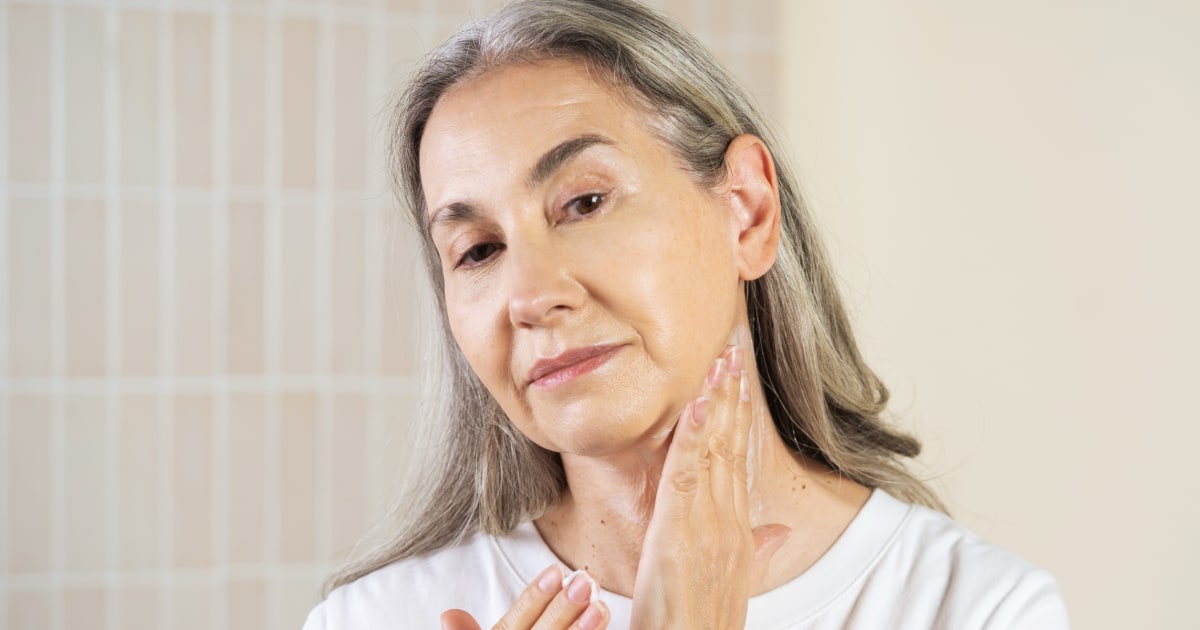
Though using breast milk as a skincare remedy might seem unusual, board-certified dermatologist Dr. Naana Boakye says that breast milk has a host of nutrients that can help the appearance of skin.
Arturo Holmes/WireImage
Never miss a story — sign up for PEOPLE’s free daily newsletter to stay up-to-date on the best of what PEOPLE has to offer, from celebrity news to compelling human interest stories.
“If someone is exploring a more holistic or natural route, breast milk has shown some promise — especially when it comes to soothing inflammatory conditions like atopic dermatitis,” Dr. Boakye tells PEOPLE. “Some people use it as a spot treatment or a calming rinse, or you can even mix it into DIY masks.”
Breast milk contains four essential bioactive ingredients that make it useful to aiding in skin health: proteins whey and casein, as well as vitamins A and E. All of these calm and protect the skin, the dermatologist confirmed.
Breast milk also contains fatty acids like palmitic acid and oleic acid, which help to moisturize and strengthen the skin barrier, and Epidermal Growth Factor (EGF), which may aid in skin healing and regeneration.
“Altogether, these components can help reduce inflammation, soothe irritation and support wound healing,” Dr. Boakye adds.
While breast milk has multiple components that potential users can benefit from, the dermatologist recommends peak freshness and small tests to ensure safety — and to prevent any adverse reactions.
“I always recommend a patch test first, especially for those with sensitive or reactive skin. One important thing to keep in mind: hygiene matters,” the dermatologist warns. “If breast milk isn’t fresh or has been improperly stored, there’s a risk of bacterial contamination, which can do more harm than good. It’s a gentle option, but again, not one-size-fits-all.”
For those wanting to avoid the “variability or hygiene concerns” that come with using breast milk, Dr. Boakye suggests colostrum-based products — which typically come from bovine sources — as they contain growth factors and immune-supportive components. Barrier repair creams with ceramides, cholesterol or fatty acids, or formulas with peptide and growth factor will also aid in skin nourishment and renewal.
ROBYN BECK/AFP via Getty
The PEOPLE App is now available in the Apple App Store! Download it now for the most binge-worthy celeb content, exclusive video clips, astrology updates and more!
Dr. Boakye suggests her own Cocoa Barrier Cream ($60), which contains the peptides and ceramides that breast milk boasts, as well as shea butter and aloe, which will similarly replenish the skin barrier and add moisture to the skin. The product is also hypoallergenic, which can benefit sensitive and reactive skin types that may potentially not like pure breast milk.
She adds, “Breast milk can help soothe, hydrate and support healing — but it’s not a replacement for dermatologically tested skin care, especially if you’re managing specific skin conditions.”
link