Measles case reported in Johnston County as North Carolina total rises to 21 :: WRAL.com
The number of confirmed measles cases in North Carolina on Friday jumped from 18 to 21 after health officials reported a case in Johnston County, state officials said.
Earlier this week, the Johnston County Health Department said someone came to the emergency room at UNC Health Johnston in Smithfield on Saturday with measles. It is the first case of the infection identified in the county since 2018.
State epidemiologists say North Carolina’s cases are linked to multiple exposure settings, including households and community gatherings. State data shows 18 of the 21 infections are in children, particularly those who were unvaccinated or had not yet received both recommended doses of the measles, mumps and rubella, or MMR, vaccine.
Here’s where the cases have been reported:
Central North Carolina: Johnston and Nash counties.
Charlotte area: Mecklenburg, Cabarrus, Lincoln and Union counties.
Asheville area: Buncombe, Polk and Rutherford counties.
There are no confirmed cases in Wake, Durham or Orange counties. However, each of the three counties had exposures:
– Wake County Public Health said someone visiting from South Carolina and known to be carrying measles visited five locations in Raleigh’s Brier Creek area on Feb. 5.
– A person with measles visited three Durham County businesses on Feb. 6.
– In Orange County, a person infected with measles visited a Goodwill store on Weaver Dairy Road in Chapel Hill on Feb. 6.
However, health officials warn that measles spread easily and could appear soon in the Triangle. The virus can remain in the air for up to two hours after an infected person leaves an area, making exposure possible even without direct contact.
Symptoms
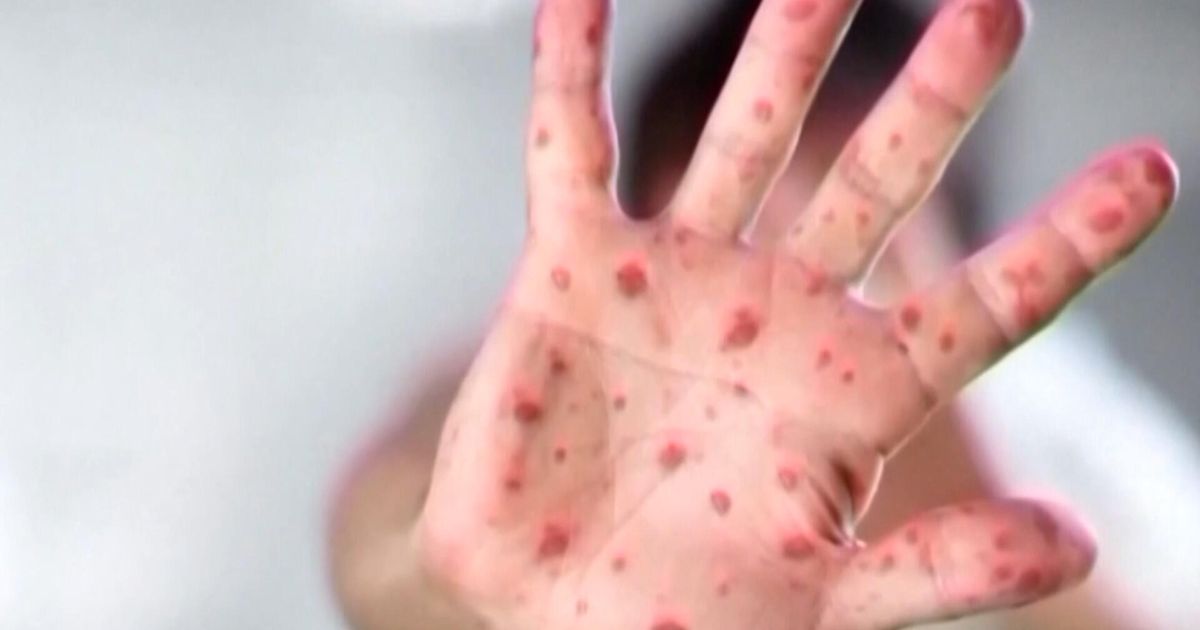
Measles typically begins with a high fever, often 101 degrees Fahrenheit or higher, along with cough, runny nose and red, watery eyes. A red, blotchy rash usually develops three to five days after symptoms begin, starting on the face and spreading downward across the body.
Complications can include ear infections, pneumonia, and, in rare cases, brain swelling known as encephalitis. Infants, pregnant women and people with weakened immune systems face the highest risk of severe illness.
Vaccination requirements and exemptions
North Carolina law requires children who attend school to receive two doses of the MMR vaccine before enrolling in public school, with limited medical and religious exemptions. The first dose is typically given at 12 to 15 months of age and the second between 4 and 6 years old.
There is no statewide mandate for vaccination. However, health care facilities and some employers may require proof of immunization for staff.
Dr. Emma Doran, medical director for vaccine-preventable and respiratory diseases with the state, said two doses of the MMR vaccine are about 97% effective at preventing measles.
“We know the vaccine works,” Doran said. “The majority of our cases are occurring among people who are not fully vaccinated.”
Historical context
North Carolina reported no measles cases from 2019 through 2023. Between 2005 and 2024, the state documented 35 cases, with 23 occurring during a 2013 outbreak.
In neighboring South Carolina, cases have exceeded 930 during the current outbreak, heightening concern about cross-border spread.
Legislative backdrop
Some members of the Trump administration are speaking out about measles vaccinations. US Health and Human Services Secretary Robert F. Kennedy Jr. said he encourages people to get their measles vaccinations, but doesn’t think the Government has the right to require it.
Dr. Mehmet Oz, the Centers for Medicare and Medicaid Services administrator, recently weighed in on the increase in cases across the country.
“Take the vaccine, please,” he said.
Gov. Josh Stein has urged residents to review their vaccination status and get immunized if needed. Legislative leaders, including Senate President Pro Tempore Phil Berger and House Speaker Destin Hall, have not announced plans for new action related to the outbreak.
Health officials recommend anyone unsure of their vaccination status contact a health care provider. People experiencing symptoms are advised to call ahead before visiting a clinic to prevent possible exposure to others.
The North Carolina Department of Health and Human Services releases new information about measles around noon every Tuesday and Friday.
link