Washington Man Dies from First Case of Bird Flu Strain Reported in Humans
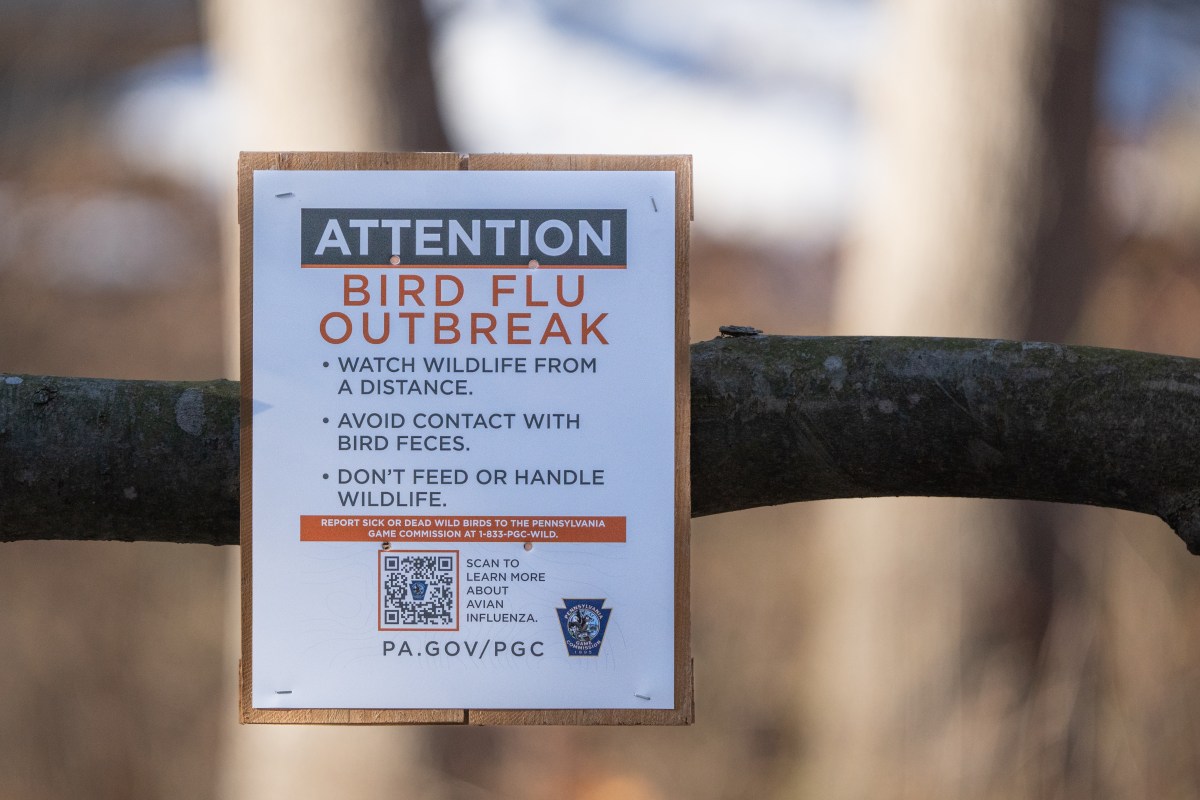
A Washington man died from complications tied to an H5N5 bird flu infection, the first recorded instance of a human contracting this avian influenza strain worldwide, state and federal health officials said Friday.
The Washington State Department of Health and the Centers for Disease Control and Prevention (CDC) both confirmed that, although bird flu infections in humans remain rare, this case marks a significant development in flu surveillance in the United States and internationally.
Health authorities stated that nobody else exposed to the man has tested positive for bird flu; there is no indication of human-to-human transmission at this time, the state’s department of health said in a press release.
Why It Matters
This death marked the first confirmed human infection with the H5N5 avian influenza virus worldwide and the second reported human death linked to bird flu in the United States during the current outbreak.
While rare, the emergence of a novel strain in a human raises concerns among public health experts about ongoing virus evolution, interspecies transmission, and the potential for future mutations with wider implications.
Over the past several years, avian influenza outbreaks have impacted millions of birds across North America, with increasing detection in mammals since January 2022, according to a report from CNN.
The CDC and Washington officials emphasized that the risk to the broader public remains low, but epidemiologists remain vigilant for signs that could suggest increased human transmissibility.
What To Know
Health officials identified the H5N5 subtype of avian influenza in the deceased Washington resident, who was described as an older adult with underlying health conditions.
According to authorities, the man kept a backyard flock of mixed domestic birds in Grays Harbor County, roughly 78 miles southwest of Seattle.
Investigators believe his infection stemmed from exposure to either these birds, their environment, or wild birds that may have been in contact with the domestic flock.
No other individuals who had contact with the deceased man have tested positive for bird flu, and there remains no evidence of human-to-human transmission of the H5N5 virus.
“The risk to the public remains low,” the Washington State Department of Health confirmed in a statement.
As part of the ongoing response, state health officials continue to actively monitor anyone who may have been exposed, but the CDC reported that this case does not indicate a heightened general public risk.
The H5N5 subtype is genetically distinct from the more widely known H5N1 bird flu virus. Both belong to the same family of avian influenza viruses, but differ in proteins involved in cellular infection and spread.
The United States experienced a wave of around 70 reported bird flu cases in humans over the past two years, almost all involving H5N1.
The CDC noted that most human infections resulted in mild symptoms, such as red eyes or fever, typically occurring in individuals with direct animal contact, like poultry or dairy workers.
Since January 2022, U.S. officials have tracked the spread of avian influenza across wild and domestic bird populations and, more recently, across some mammals. Cases in cattle were first noted in March 2024, ABC News reported.
While the majority of cases remain confined to animal hosts, rare spillovers into humans—especially with new viral strains—are closely monitored to guard against the potential for wider outbreaks.
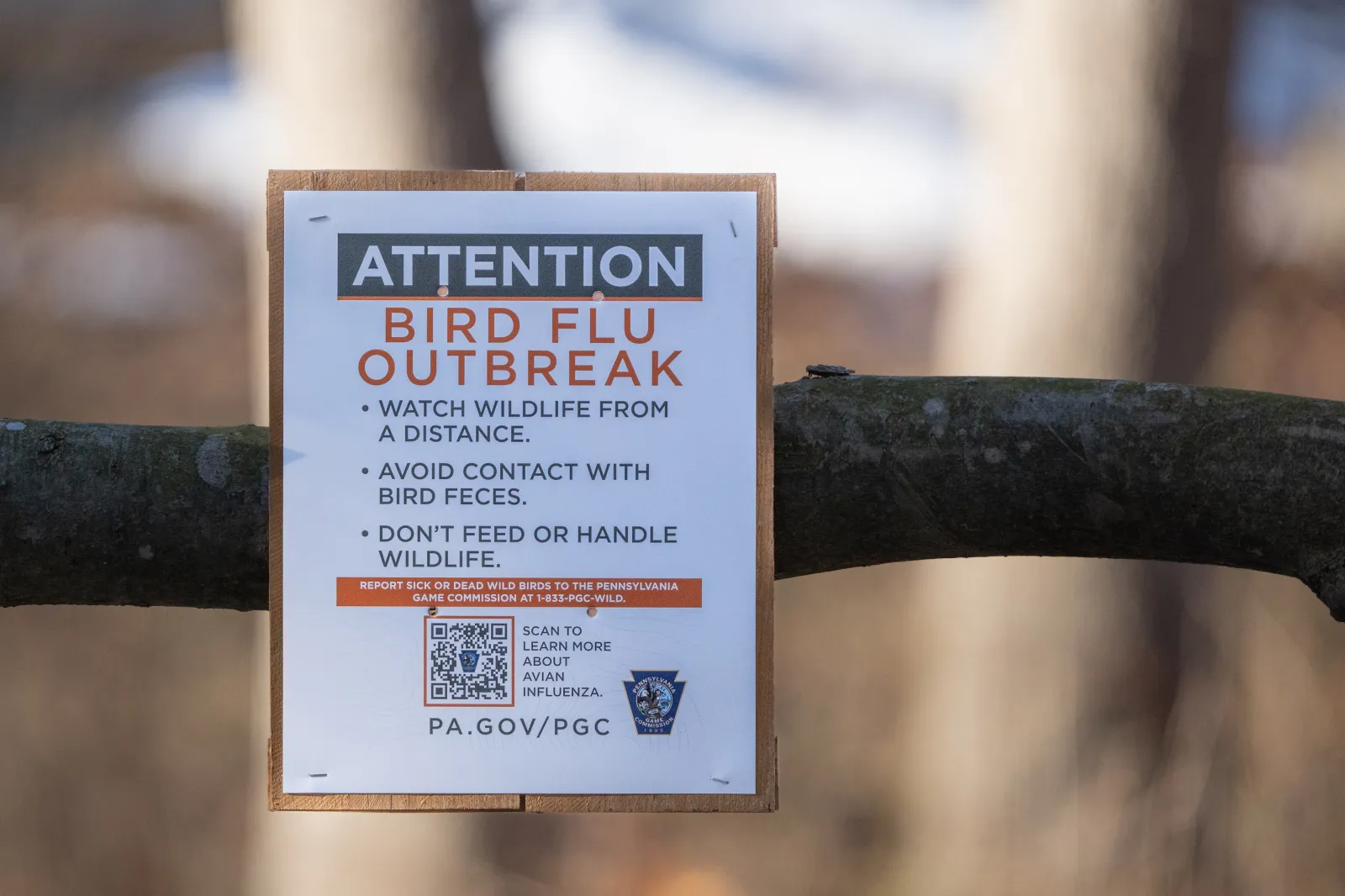
The Washington State Department of Health and CDC recommend that people who work with or are exposed to domestic or wild birds take precautions, such as wearing appropriate personal protective equipment and avoiding handling sick or dead birds.
Seasonal flu vaccination is also recommended for at-risk groups, not for bird flu prevention but to reduce the rare risk of acquiring co-infection that could drive viral recombination, KPTV reported.
What People Are Saying
Washington State Department of Health, in a public statement Friday: “Testing at the UW Medicine Clinical Virology Lab identified the virus as H5N5, making this the first recorded infection with this variant in a person globally. The result was confirmed by the Centers for Disease Control and Prevention (CDC)…It is especially important that people who may have exposure to domestic or wild birds get a seasonal flu vaccine. While the seasonal flu vaccine will not prevent bird flu infection, it reduces the risk of becoming sick with both human and avian influenza viruses at the same time. Though unlikely, infection with both viruses could result in the emergence of an avian influenza virus that is more easily transmitted from person to person. Seasonal flu vaccine is recommended for everyone six months and older.”
What Happens Next
Washington state health authorities will continue monitoring individuals who came into close contact with the deceased man and his backyard bird flock.
No further human infections have been identified to date, but officials have reiterated the need for continued vigilance and safe handling of domestic and wild birds.
The CDC and state health departments will maintain surveillance for new bird flu strains in both animals and humans to swiftly identify and contain any future outbreaks or signs of increased transmissibility.
Individuals with backyard flocks are urged to report sick birds and avoid contact with sick or dead wildlife, as well as to follow the latest public health guidance regarding animal health and personal safety.
link